

- By admin
- 14 Jun 2026
- No Comments
When it comes to construction and manufacturing, the choice of bolts can make a world of difference. While they may seem like small components, their strength and durability are crucial for ensuring structural integrity and safety. Among the most popular options are stainless steel bolts and carbon steel bolts. But what sets them apart? Understanding their unique properties can help you make an informed decision when selecting fasteners for your next project.
What is stainless steel?
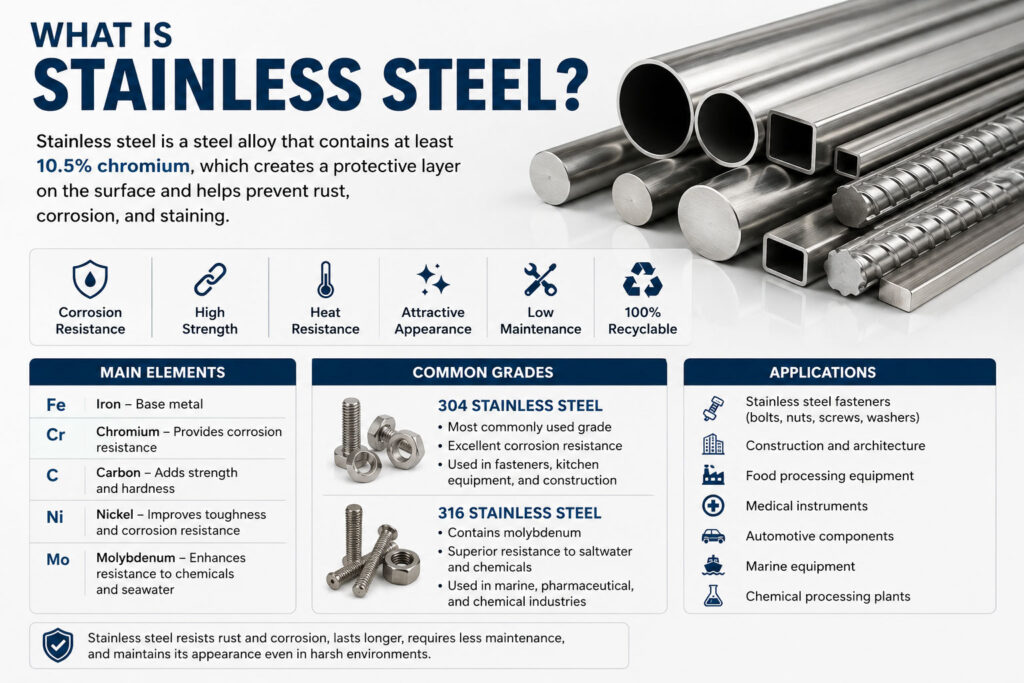
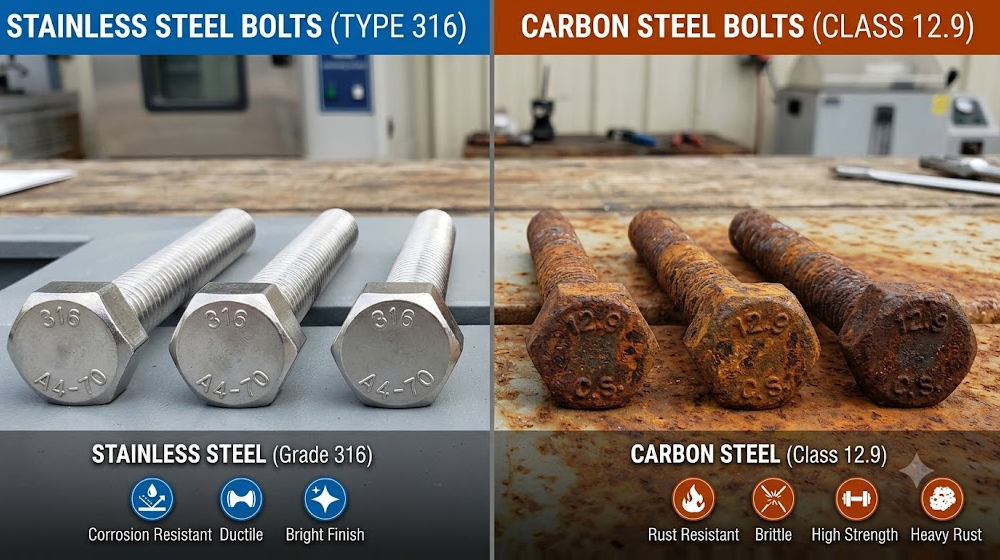
Stainless steel is a corrosion-resistant alloy primarily composed of iron, chromium, and sometimes nickel. This unique blend offers remarkable strength while maintaining a sleek appearance that resists rust and staining. When it comes to choosing between stainless steel bolts and carbon steel bolts, understanding their strengths and durability is essential. Stainless steel bolts stand out for their resistance to corrosion and rust, making them ideal for outdoor or marine applications. They can withstand harsh environments without deteriorating quickly.
On the other hand, carbon steel bolts are known for their impressive tensile strength. They are often used in high-stress applications where extreme strength is required. However, they do come with a downside; lack of protection against rust means they may require additional coatings or treatment when exposed to moisture. Choosing the right bolt material ultimately depends on your specific application needs. If you prioritize corrosion resistance over raw strength, stainless steel bolts may be your best bet. Conversely, if sheer strength is critical for your project and you can manage maintenance against rusting, carbon steel bolts could serve you well.
Understanding these differences will help ensure that you’re selecting the most suitable bolt type for your project requirements keeping both performance and longevity in mind as you make your decision. The addition of chromium creates a protective layer on the surface. This layer prevents oxygen from corroding the underlying metal. As a result, stainless steel remains durable even in harsh environments. There are different grades of stainless steel, each serving specific purposes across various industries. For example, 304 and 316 grades are commonly used in manufacturing bolts due to their excellent mechanical properties. This versatility makes stainless steel an ideal choice for applications ranging from construction to kitchenware. It combines aesthetic appeal with functionality, ensuring it meets both practical and design needs effectively.
What is carbon steel?
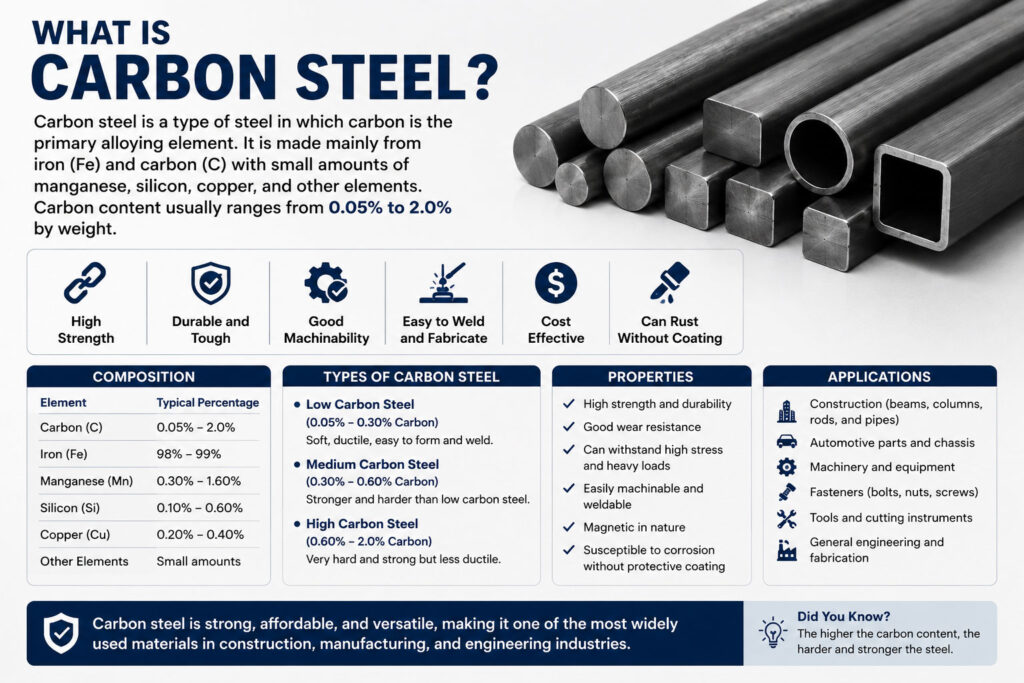
Carbon steel is a type of steel alloy primarily composed of iron and carbon. The carbon content typically ranges from 0.05% to about 2%. This composition gives carbon steel its unique properties, making it versatile for various applications. It comes in different grades, categorized into low, medium, and high-carbon steels. Low-carbon steel is malleable and easy to weld, while high-carbon variants offer increased strength and hardness but can be more difficult to work with. One notable feature of carbon steel is its ability to harden through heat treatment. This property makes it an excellent choice for tools and structural components that require enhanced durability. However, carbon steel’s susceptibility to corrosion requires protective coatings or treatments in many environments. Understanding these characteristics allows users to select the right grade for specific projects effectively.
Strength and durability comparison between stainless steel and carbon steel bolts
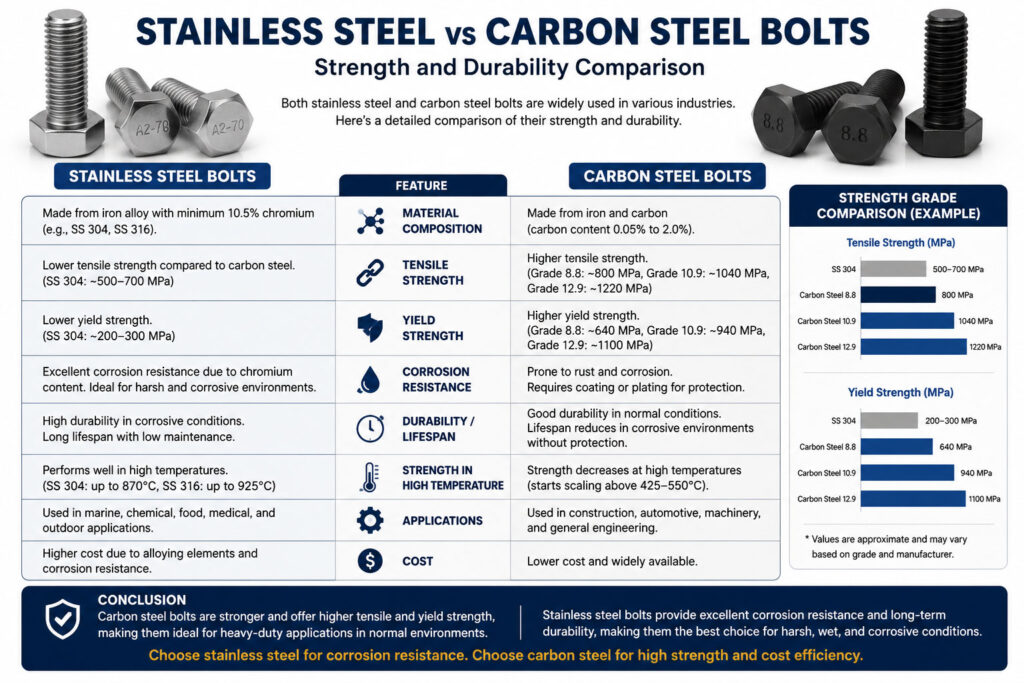
When comparing strength, stainless steel bolts shine due to their higher tensile strength. They can withstand greater loads without deforming. This makes them ideal for heavy duty applications. On the other hand, carbon steel bolts offer impressive shear strength. They’re often preferred in situations where bolt shear failure is a concern. Durability is another critical factor. Stainless steel is highly resistant to corrosion and rust, thanks to its chromium content. It performs exceptionally well in moist or salty environments. Conversely, carbon steel may corrode when exposed to moisture unless protected with coatings like zinc plating. This limits its longevity in harsh conditions but still excels in dry environments. Your choice should reflect specific project requirements regarding load-bearing capacity and environmental exposure.
Factors to consider when choosing between stainless steel and carbon steel bolts
When choosing between stainless steel bolts and carbon steel bolts, there are several factors to weigh. First, consider the environment where the bolts will be used. Stainless steel offers superior resistance to corrosion, making it ideal for outdoor or humid conditions. Carbon steel may rust when exposed to moisture unless properly coated. Next, think about strength requirements. Carbon steel often has a higher tensile strength than stainless options. If you need heavy-duty performance under stress, carbon might be your best bet.
Cost is another important factor. Generally, stainless steel bolts come at a premium price compared to their carbon counterparts; however, this can pay off in longevity and reduced maintenance over time. Assess any regulatory or industry standards that apply to your project. Certain applications may mandate specific materials for safety or compliance reasons.
Common applications for stainless steel bolts
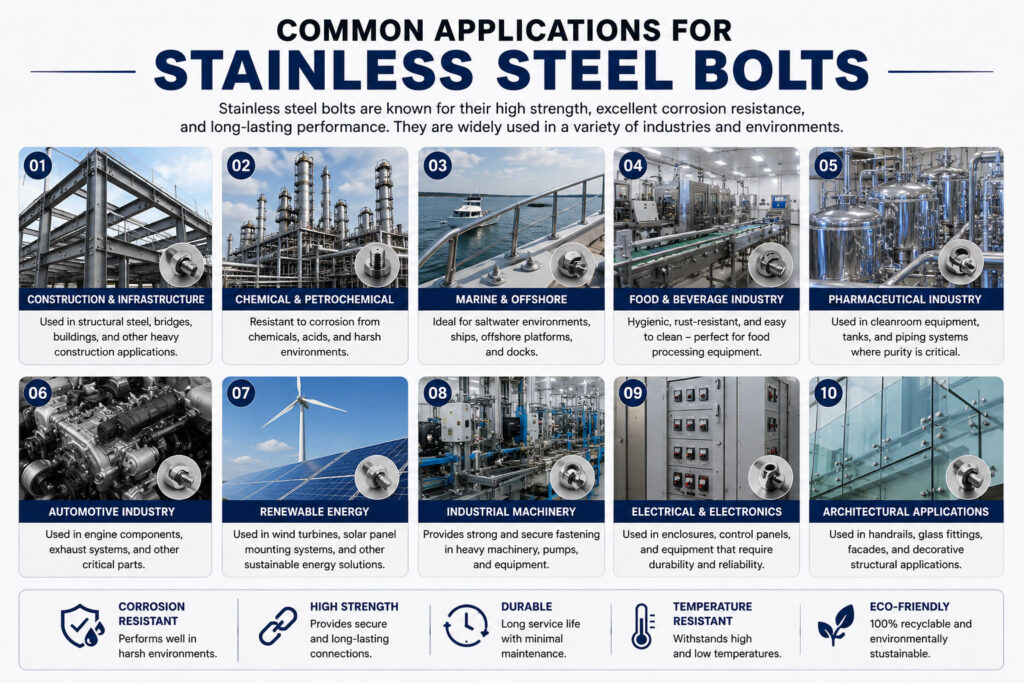
Stainless steel bolts are widely recognized for their corrosion resistance, making them ideal for various environments. They shine in marine applications where exposure to saltwater can quickly degrade other materials. In the construction industry, these bolts are employed in structures requiring longevity and durability. Their strength supports everything from bridges to skyscrapers. Food processing facilities also benefit from stainless steel bolts. Hygiene is paramount here, so non-reactive materials are essential. Additionally, automotive manufacturers rely on stainless steel bolts due to their ability to withstand high temperatures and resist rust. This ensures safety and reliability in vehicles over time.They find a place in HVAC systems where moisture control is crucial. The versatility of stainless steel makes it suitable for both residential and industrial use across multiple sectors.
Common applications for carbon steel bolts
Carbon steel bolts are widely utilized in various industries due to their strength and affordability. Construction projects often rely on these bolts for structural assemblies, ensuring stability and safety in buildings and bridges. In automotive manufacturing, carbon steel bolts play a crucial role in securing components such as engines and chassis. Their ability to withstand significant stress makes them reliable choices for vehicle assembly. They are also popular in machinery applications, where durability is essential. Equipment manufacturers prefer carbon steel bolts for assembling heavy-duty machines that require robust fastening solutions. Additionally, the oil and gas industry frequently employs these bolts in pipelines and drilling rigs. The combination of strength and corrosion resistance ensures they can handle harsh environments effectively. Their versatility extends into furniture design as well. Carbon steel bolts help craft sturdy pieces that stand the test of time while maintaining an appealing aesthetic.
Maintenance and care tips for both types of bolts
Maintaining stainless steel bolts is straightforward. Regularly inspect them for signs of corrosion, especially in harsh environments. A simple wipe with a clean cloth can remove dirt and moisture, prolonging their life. For carbon steel bolts, the key is prevention. Apply a coat of rust-inhibiting oil or paint to create a barrier against moisture. This helps mitigate oxidation and extends durability. When reusing any bolts, ensure threads are clean and free from debris. Inspect for wear or deformation; if they show significant damage, it’s best to replace them. Store both types in dry conditions to minimize exposure to elements that could lead to degradation over time. Keeping bolts organized also aids in quick access during projects. Cleaning should be done gently; avoid abrasive materials that might scratch the surface or compromise structural integrity. Regular care goes a long way in maintaining performance and reliability
Cost comparison between stainless steel and carbon steel bolts
When examining the cost of stainless steel bolts versus carbon steel bolts, there’s a noticeable difference. Generally, stainless steel bolts come with a higher price tag due to their corrosion-resistant properties and manufacturing process. Carbon steel bolts are more economical upfront. Their affordability makes them an attractive option for projects where budget constraints are critical. However, consider long-term costs as well. Stainless steel’s durability can lead to savings in replacement or maintenance over time. If you’re working in environments prone to moisture or chemicals, investing in stainless may prevent future expenses related to rust and degradation.
When it comes to cost, there are notable differences between stainless steel bolts and carbon steel bolts. Stainless steel bolts typically come with a higher price tag due to their resistance to corrosion and overall durability. The manufacturing process for stainless steel also tends to be more complex, which can contribute to the increased costs.
On the other hand, carbon steel bolts are usually more budget-friendly. They are widely available and often used in applications where exposure to moisture is minimal. Their lower cost makes them an attractive option for projects that require large quantities of fasteners without compromising on strength.
However, while carbon steel may save you money upfront, consider the long-term implications of your choice. If you’re working in an environment prone to rust or wear, investing in stainless steel might ultimately save you from replacement costs down the line.
Ultimately, choosing between stainless steel bolts and carbon steel bolts depends not only on your immediate budget but also on the specific demands of your project and its environmental conditions. Balancing cost against performance requirements will lead you towards making the right decision for your needs. The choice isn’t just about initial costs but also about evaluating how each bolt type aligns with your project’s specific requirements.
Conclusion: Which type of bolt
When it comes to choosing between stainless steel bolts and carbon steel bolts, several factors come into play. Stainless steel bolts stand out for their corrosion resistance and longevity in harsh environments. They are ideal for applications where moisture or chemicals may be present.
On the other hand, carbon steel bolts offer superior strength at a lower cost. They excel in structural applications where sheer strength is paramount but may require protective coatings to prevent rusting. Your specific needs will dictate the best option. Consider environmental conditions, application requirements, and budget constraints before making your decision. Both types of bolts have their place in various industries; understanding their strengths can lead you to the right choice for your project.