

01
Raw Material Inspection
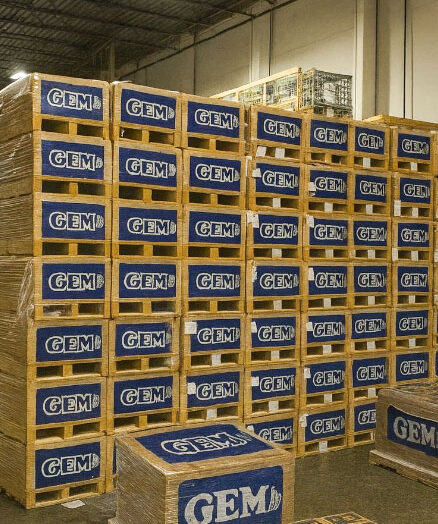
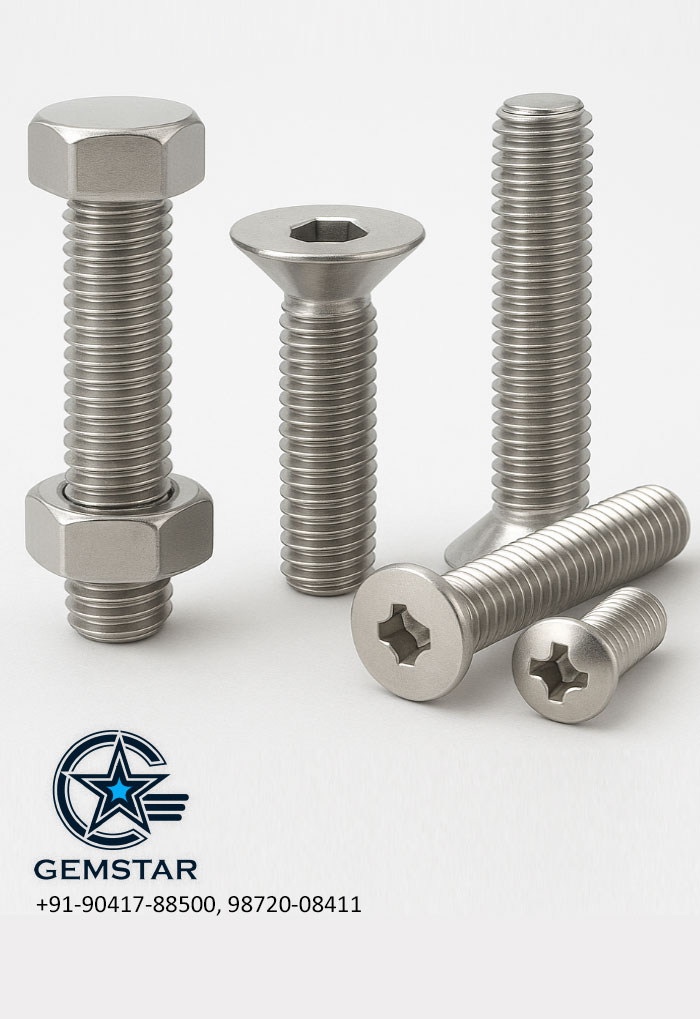
Raw material inspection is the first quality control step in fasteners manufacturing. It ensures that incoming materials (mainly stainless steel wire rod coils or bars) meet the required specifications before production begins.
02
Wire Drawing
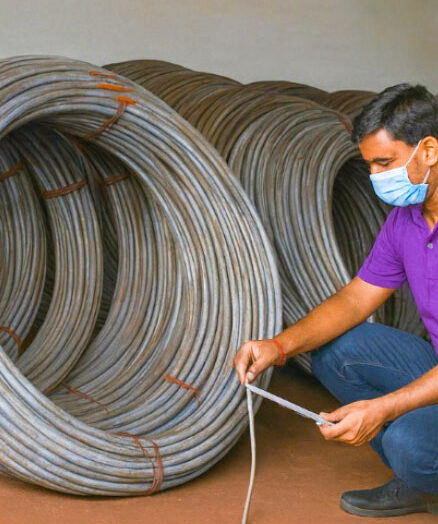
Wire Drawing is a cold working process in which metal wire rods (typically stainless steel, carbon steel, or alloy steel) are pulled through a series of tapered dies to reduce their diameter and improve surface finish and mechanical properties. This wire is then used in forming fasteners.
03
Bolt Forming
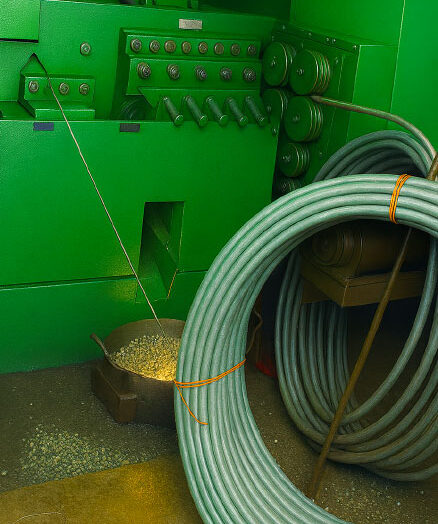
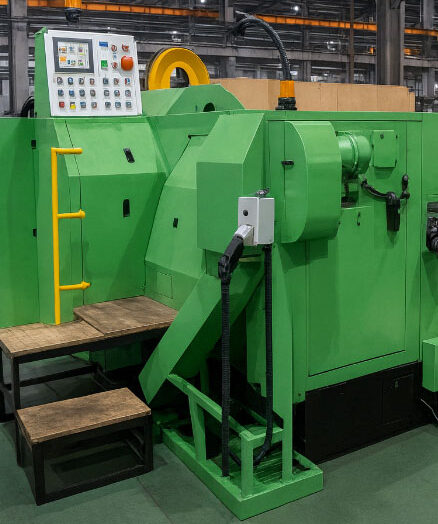
Bolt forming is the primary stage in bolt manufacturing, where the head and shank of the bolt are formed using high-speed forging machines. This process ensures high strength, precision, and repeatability.
04
Thread Rolling
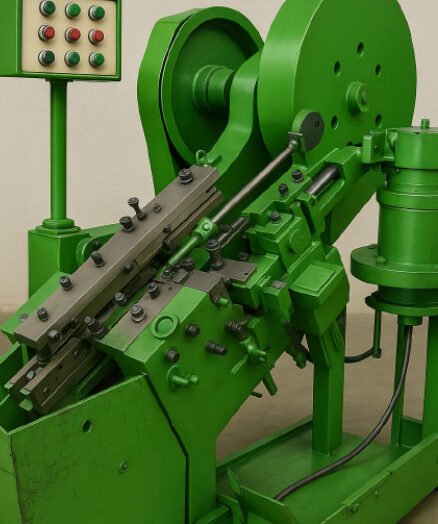
Thread rolling is a cold-forming process used to produce threads on fasteners like bolts, screws, and studs. Unlike thread cutting, material is displaced (not removed), which improves strength, surface finish, and dimensional accuracy.
05
Heat Treatment (For High Tensile Fasteners)
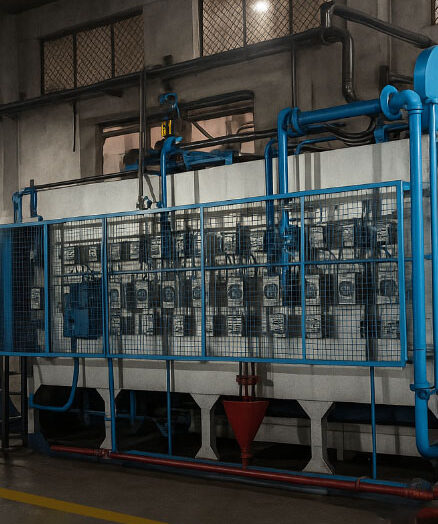
Heat treatment is a critical process in fastener production used to alter the mechanical properties (hardness, strength, toughness) of fasteners to meet specific performance requirements. It involves controlled heating and cooling cycles.
06
Polishing & Finishing (For Stainless Steel Fasteners)
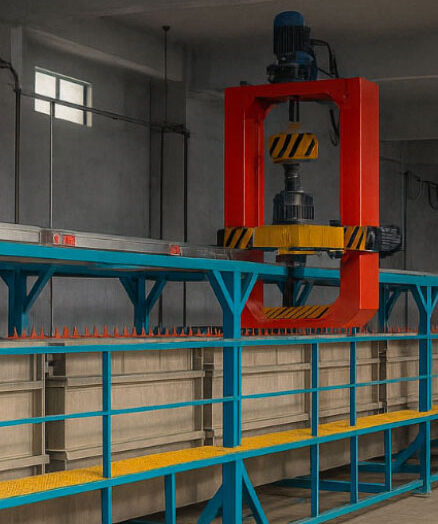
Polishing and finishing are crucial final stages in the manufacturing of stainless steel fasteners, ensuring both functional performance and aesthetic appeal. After forming, threading, and heat treatment, fasteners often have minor surface imperfections such as burrs, tool marks, or oxidation. The polishing and finishing process removes these flaws, enhances corrosion resistance, and gives the fasteners a smooth, uniform appearance.
07
Coating & Packing
After manufacturing and inspection, fasteners go through coating (for corrosion protection and appearance) and packing (for safe storage, handling, and delivery). These are the final but crucial steps in the production line.